In August, I rode a motorcycle solo through the Alps. The route started in Munich and ran through Innsbruck, the Dolomites and Passo Gardena, Obergurgl, St. Moritz, Livigno, Bormio, and Madonna di Campiglio before returning to Munich. By August 9, the odometer had logged 907 kilometers, and the full trip came to about 1,000 kilometers across Germany, Austria, Switzerland, and Italy.
Munich
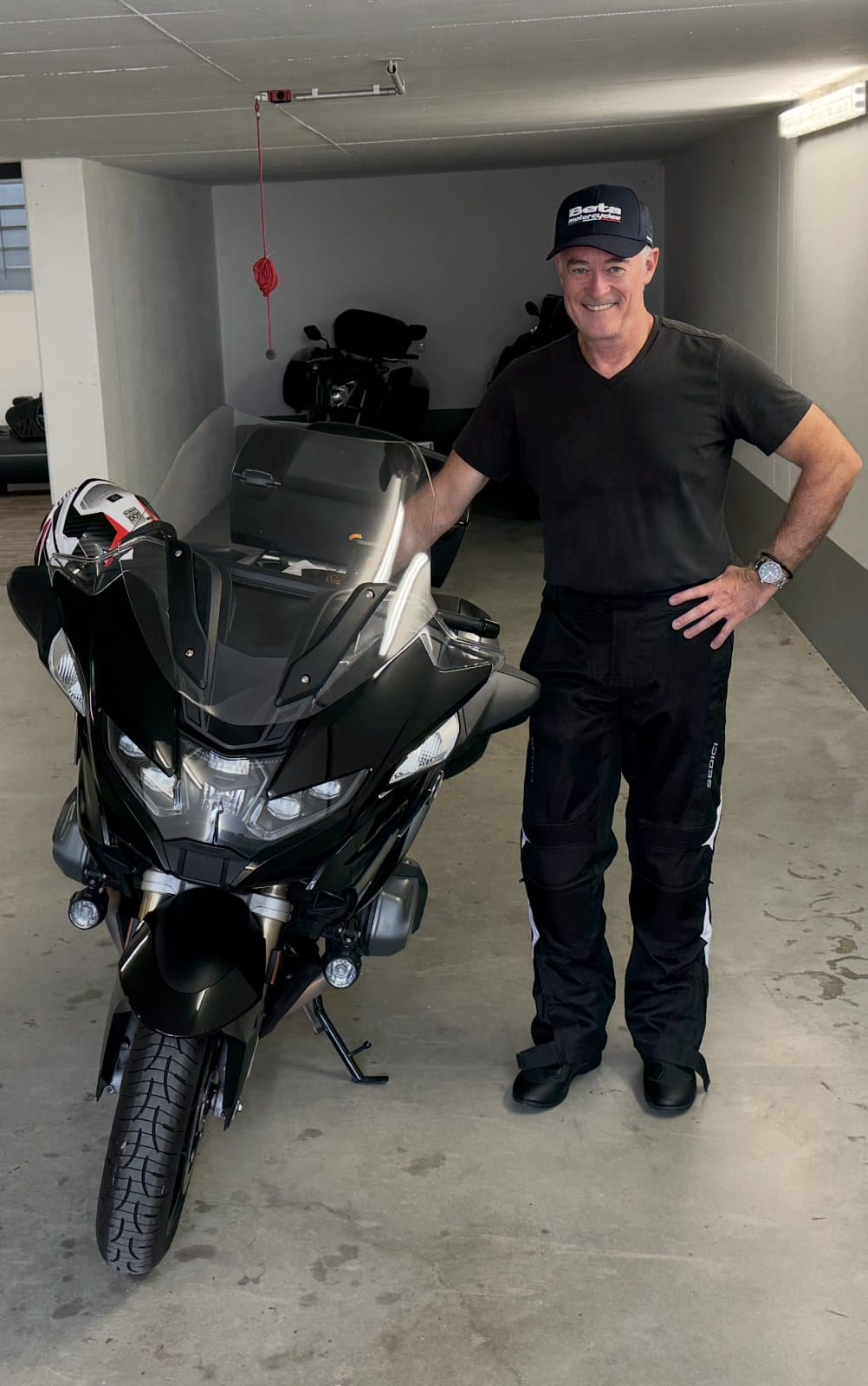
The trip began in Munich, where I rented the best motorcycle I have ridden, a black BMW touring bike. The only exception is my Ducati.
I had help planning the route. I used AI to plot the hotel course, one stop per night, and on the screen the plan looked clean. I knew I would get lost. Riding solo through unfamiliar country, it was going to be part of the journey. I underestimated how many times it would happen and how lost I would get.
Innsbruck and the Dolomites
On the Autobahn from Munich to Innsbruck, I reached 209 kilometers per hour, about 130 miles per hour, and held it for 10 miles. That day I learned that risk multiplies as speed climbs. Security risk follows the same curve: each increase in speed shrinks the margin for error faster than it feels like it should.
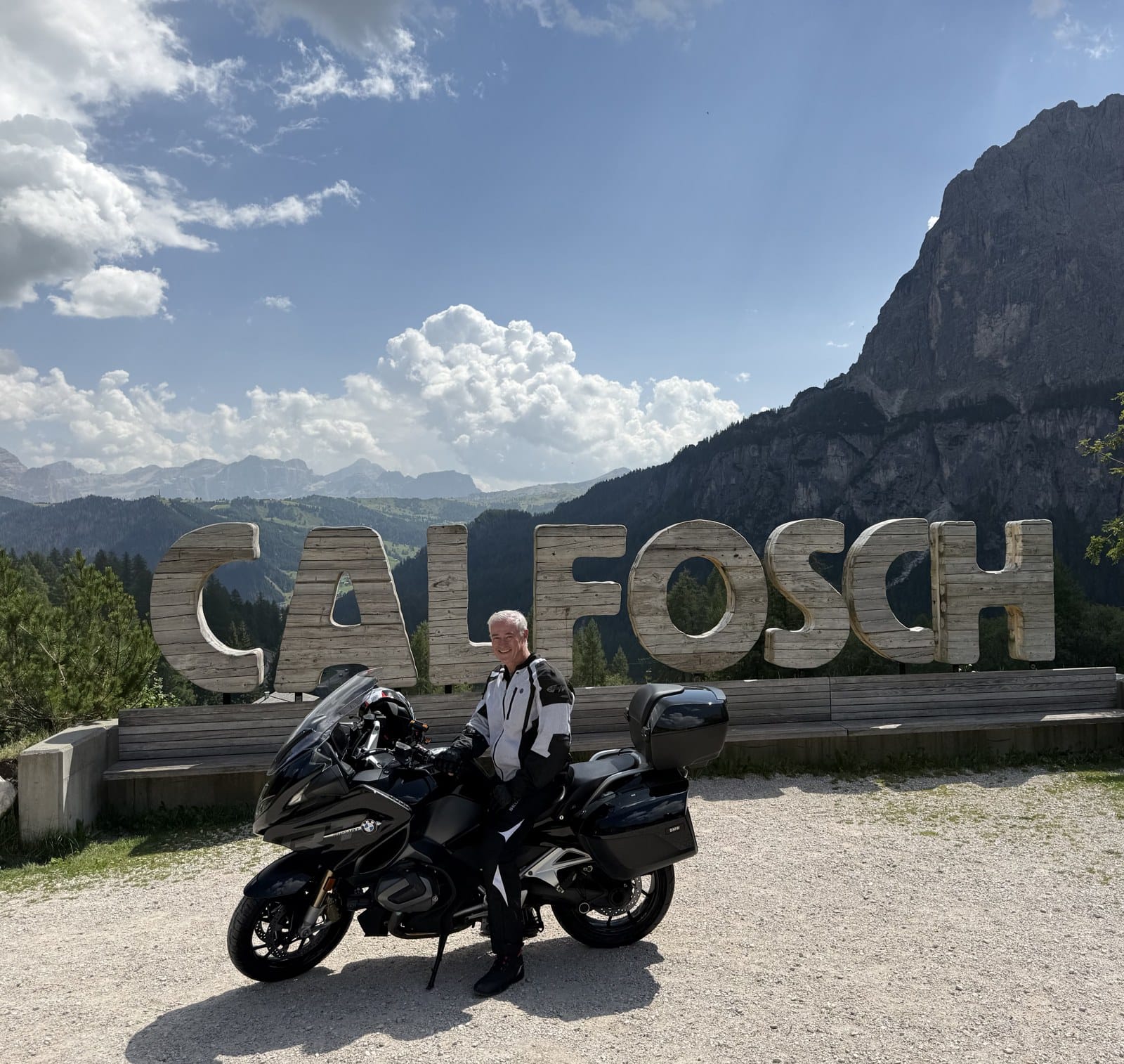
The route passed through Innsbruck and into the Dolomites, over Passo Gardena. Calfosch gave me a clear day, with blue sky and the mountains behind the town.
The Border and Obergurgl
That afternoon, I reached the Austria-Italy border soaking wet and freezing cold. My fingers were too cold to work a credit card out of my wallet, so I handed the guards the entire wallet.
Obergurgl is Austria's highest parish village, at about 1,930 meters. The Italian border sits at the top of the Timmelsjoch road, roughly 12 kilometers from the village. After a few wrong turns in Obergurgl, I was convinced I was in Italy.
I walked into a hotel soaking wet and freezing cold, gave my name at the desk, and asked for my room. The manager told me he had no rooms under it.
That was the moment I understood I had no idea where I was. I was in Austria, in a mountain village, at a hotel that had never heard of me, and I had believed I was in Italy.
Finding the hotel became its own stage of the ride. Most nights I could not find it on the first attempt. The plan told me where I was going. It had nothing to say about how to get there.
St. Moritz to Livigno
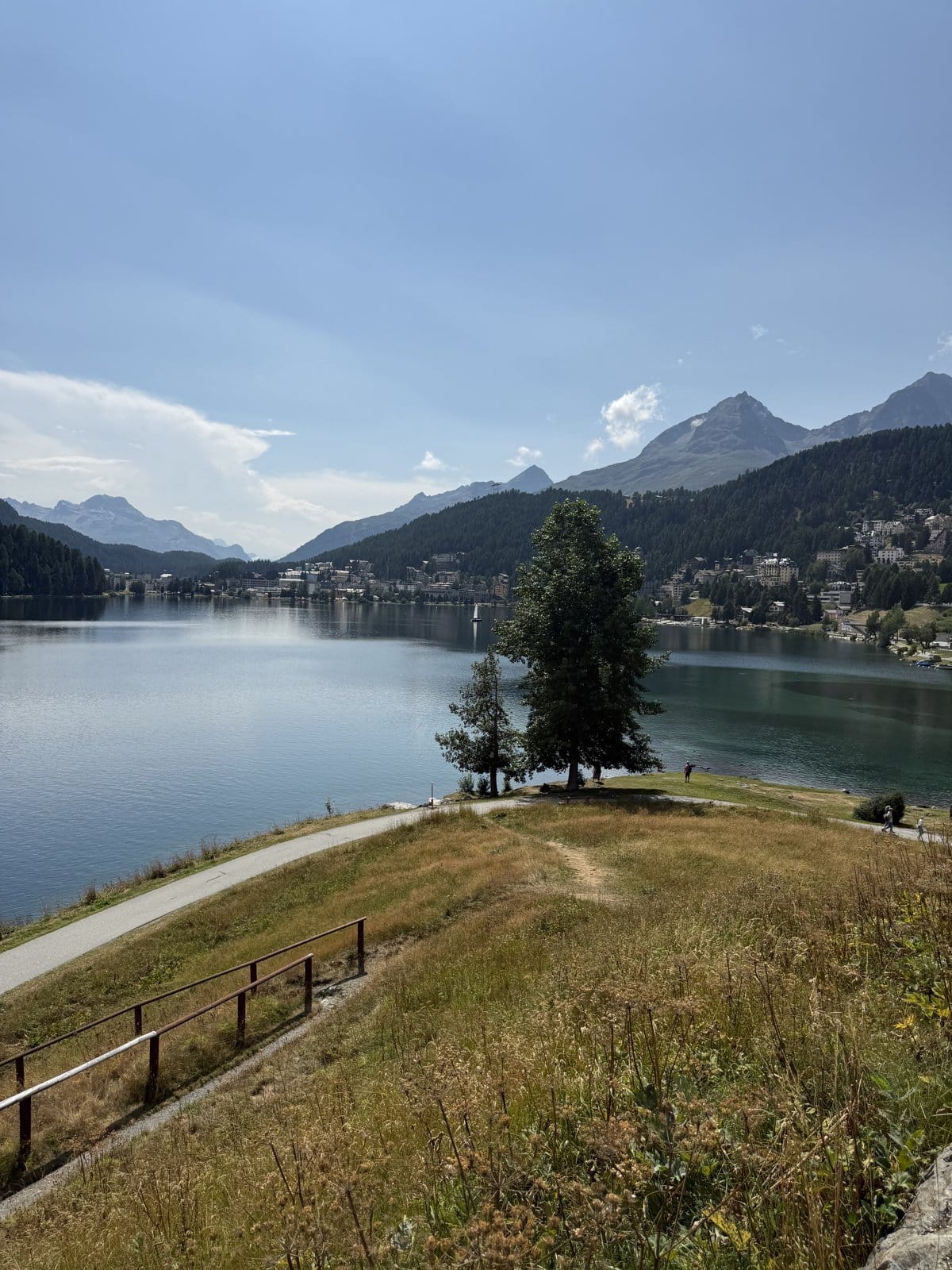
The worst stretch of the trip ran over the Bernina Pass and into Italy. At the top of the pass, I could not see my hands on the handlebars.
The fog was thick, the rain was torrential, and the temperature kept dropping. I was soaked, cold, and in the dark, and I was alone.
The Warning Was Visible
Earlier in the climb, I had seen the clouds above me. My warm, dry rain clothes were with me. Stopping to put them on would have taken a few minutes.
I kept riding.
Nothing about those clouds was hidden. The information was available, the fix was cheap, and the decision was mine alone, because I was riding solo. Nobody was beside me to say "let's stop and change." I made the wrong call. I froze, and I had to suffer through it.
What Zero Visibility Removes
A rider reads the road constantly. You look through a corner to its exit, watch the surface, and judge what comes next. At the top of the Bernina Pass, which sits at 2,330 meters, none of that was available. The road ahead was a guess, and every habit built on seeing it stopped working.
Speed was the one variable I still controlled. I slowed the motorcycle to a crawl and crept up to the top of the pass. Then I continued until I dropped below the fog. Below it, a beautiful mountain range in the Italian Alps came into view.
The Bike Covered the Gap
The BMW has a Rain riding mode. It softens throttle response and tunes the stability systems for low grip, which is what a wet, cold mountain road demands. It helped my stability when I needed it most.
I had skipped one control, and the bike supplied another. That is layered defense working as designed: when one layer fails, a second can hold. I was fortunate that the engineers had anticipated this condition. Counting on a second layer to cover a first one I chose to skip is a poor plan.
Bormio
After the fog, the weather in Bormio was clear.
An Answer With No Source
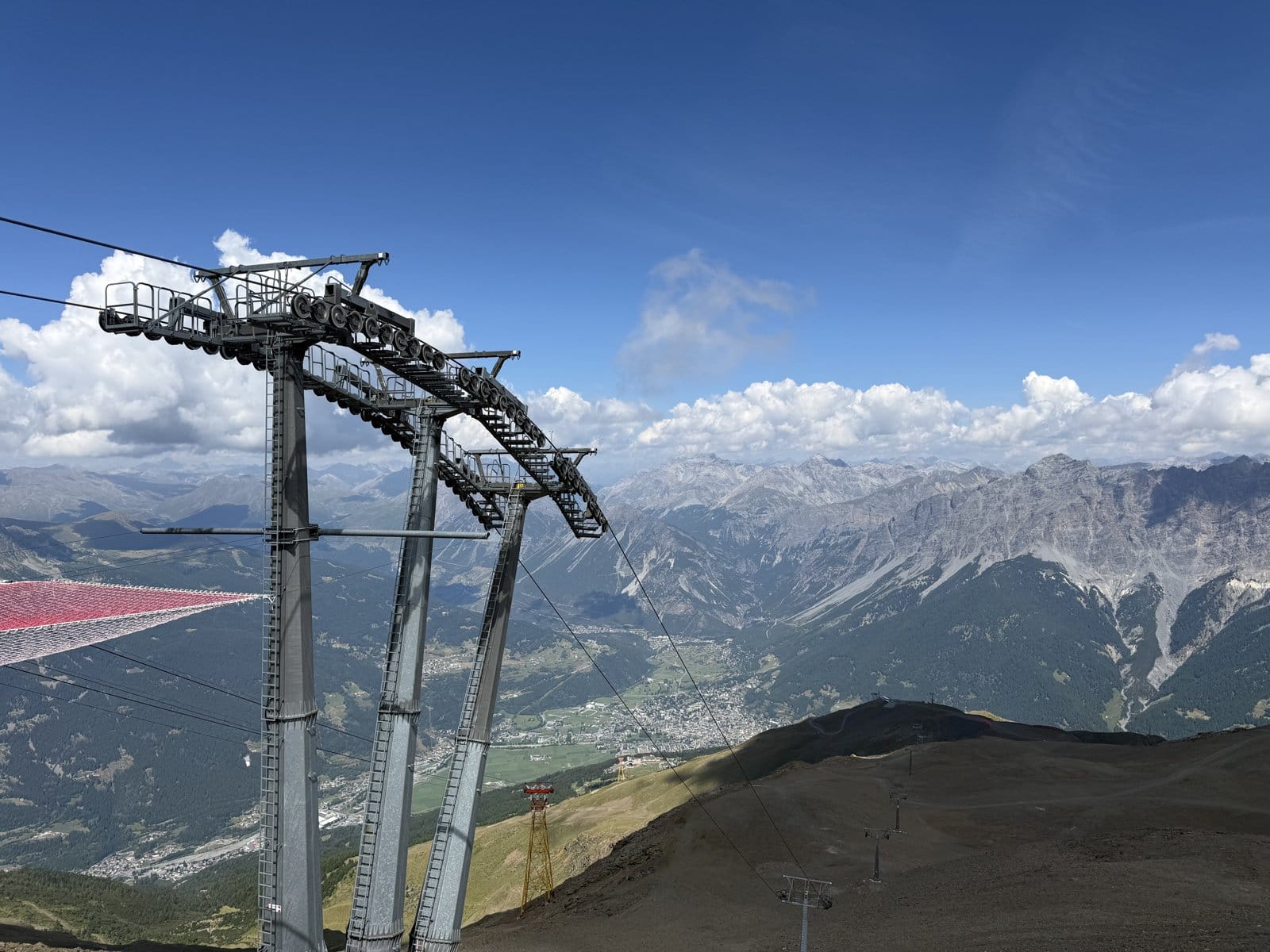
In Bormio, I asked the same AI whether I had time to go up Bormio 3000, the summit station above the ski area at roughly 3,000 meters. Getting there takes two lifts: you reach Bormio 2000 by car or cable car, then take the Whitelady cable car to the top.
The answer was direct. I had hours, not minutes.
So I had a nice, leisurely lunch at the bottom of the mountain.
I went up Bormio 3000.
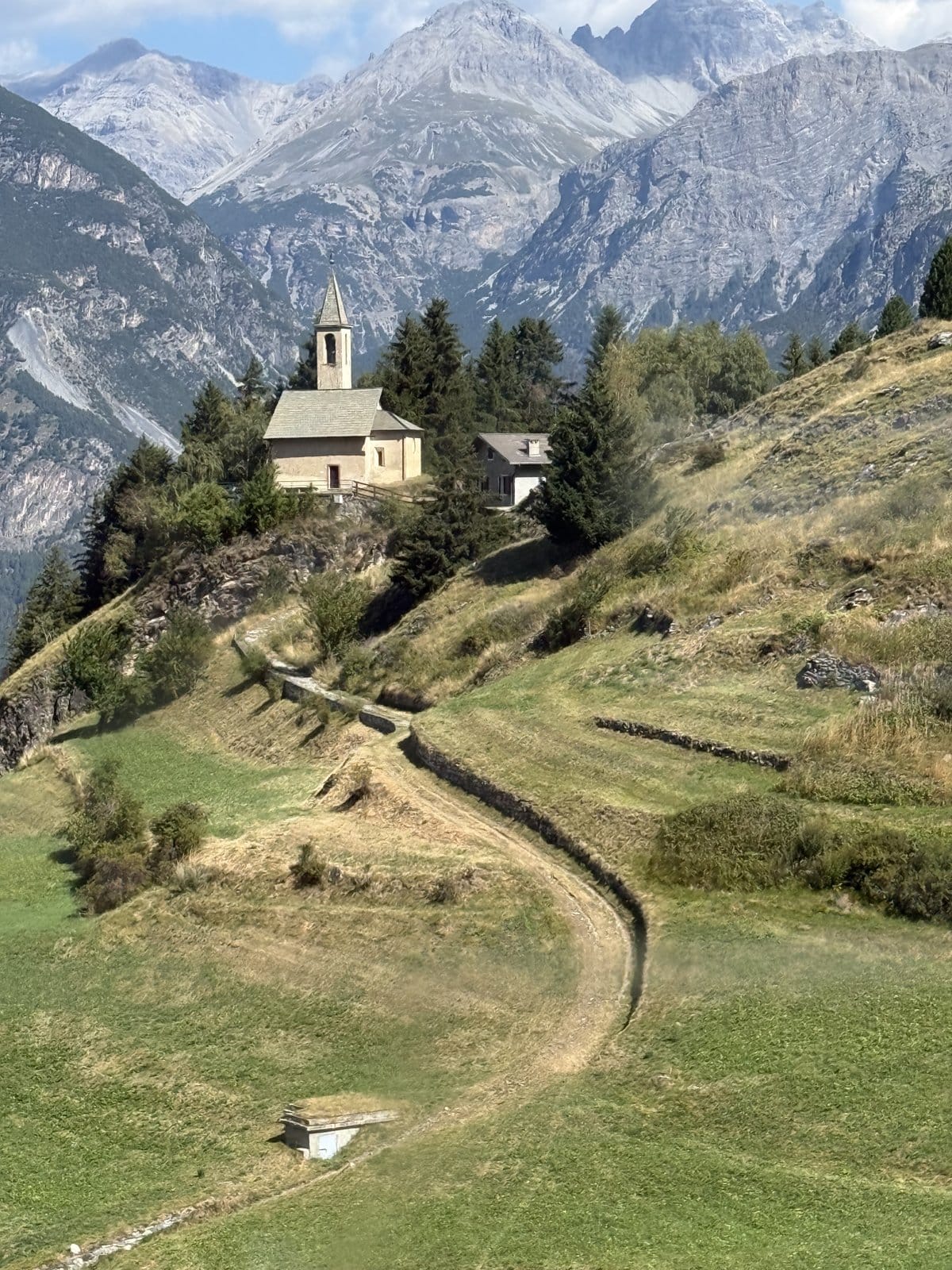
The time was the problem. I had less of it than I had been told, and I underestimated how long it would take to reach the Gotthard hotel, high on the Stelvio Pass. I rode past it without realizing it was my hotel. I missed the room I had already paid for. The room was $250. I could not get a refund for missing it.
The same AI had also miscalculated my route. Neither answer came with a timetable, a source, or a hedge, and I accepted both because they sounded sure. Confidence and accuracy are different things, and nothing in the delivery told me which one I had.
I asked the AI to reimburse me. It apologized and said it could not.
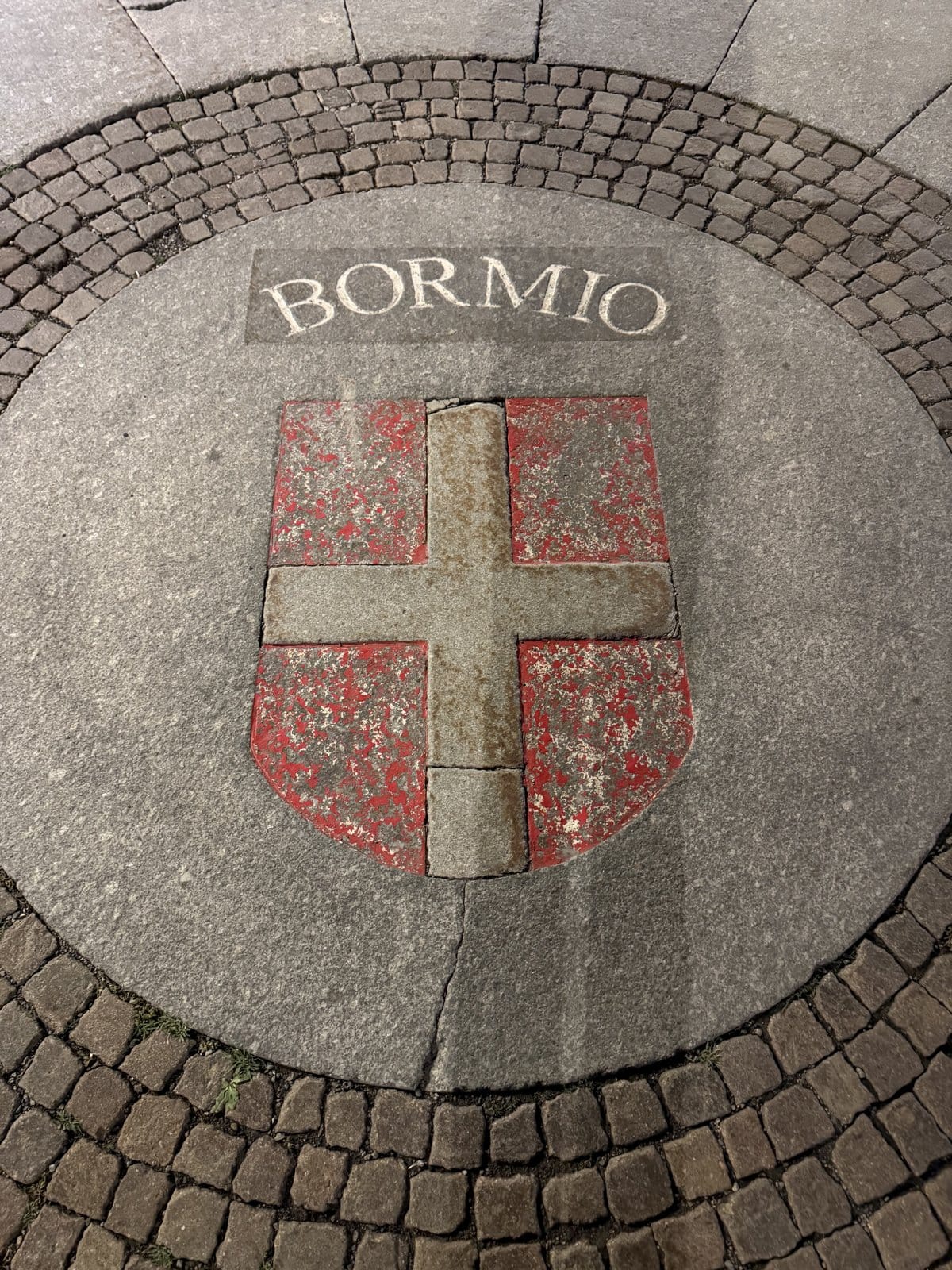
After riding past the Gotthard hotel, I rented a second room. I slept in Bormio that night, in a hotel near the church in the old town.
Roman Water at the Foot of the Stelvio
I also stopped at the Roman baths. The Bagni Vecchi sit about 4 kilometers from the center of Bormio, just before the first hairpin of the road up the Stelvio.
People have been bathing here for a very long time. Pliny the Elder mentioned the thermal waters of Bormio in his Naturalis Historia in the first century. Cassiodorus, secretary to the Ostrogoth king Theodoric, wrote a letter inviting an important noble of the era to come and take the waters. Leonardo da Vinci wrote about them in the Codex Atlanticus.
The site changed with the centuries. In the Middle Ages, the complex held medieval baths for women and Roman baths for men. In the 1800s, the Stelvio road was built, the pools were expanded, and the Grand Hotel Bagni Nuovi opened in 1836. Today the spa is built on the foundations of the original Roman pools.
A rider who has been soaked and frozen on a mountain pass has a particular respect for hot water. Traveling this route in 2026, I was one more person in a very long line of travelers who stopped in this valley to recover before the next climb.
Madonna di Campiglio and Back to Munich
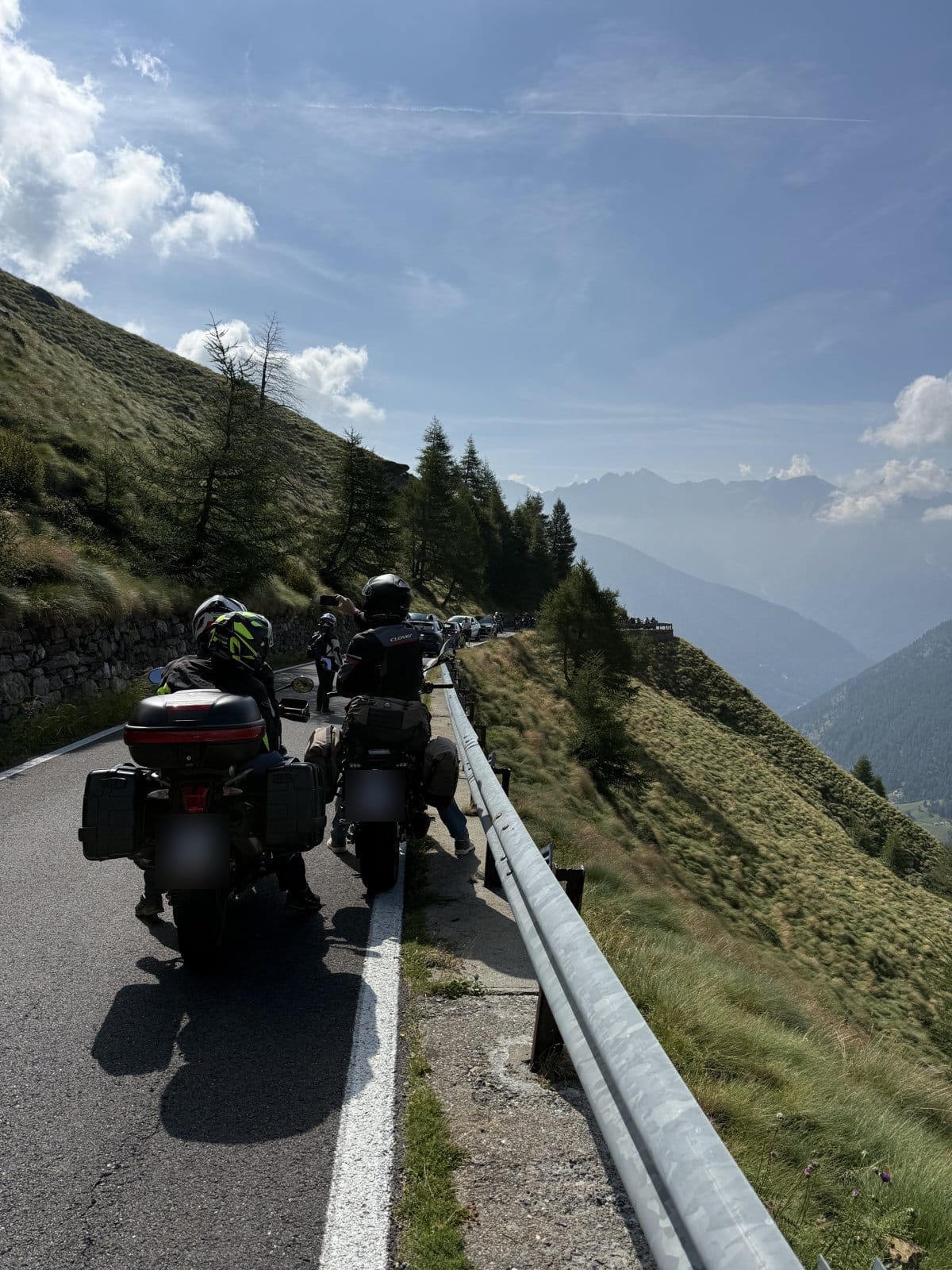
From Bormio, I rode toward Madonna di Campiglio by way of Ponte di Legno. The road that comes down into Ponte di Legno from the pass is very narrow, tighter than the Stelvio, and quite technical.
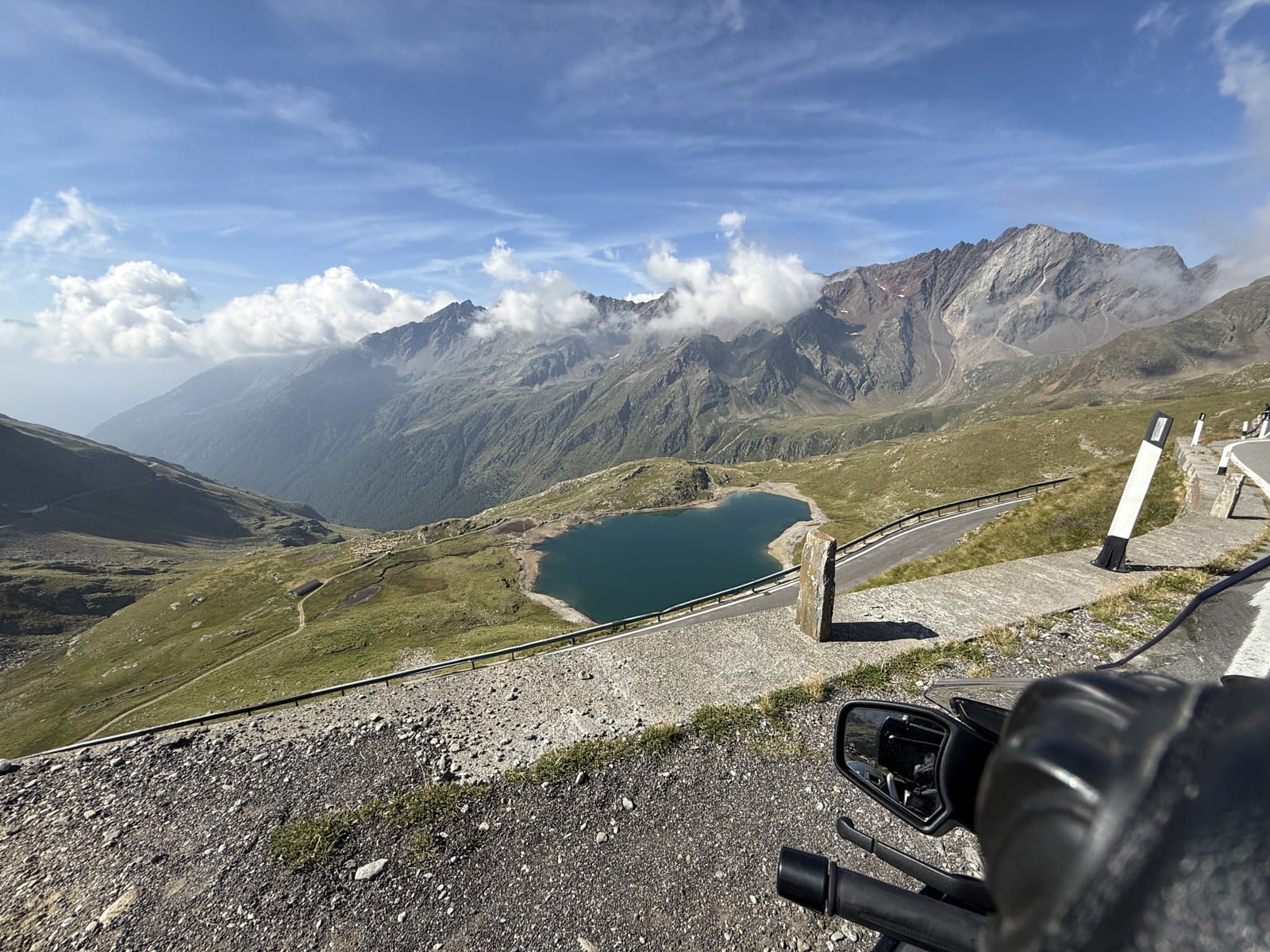
Madonna di Campiglio was the last stop.
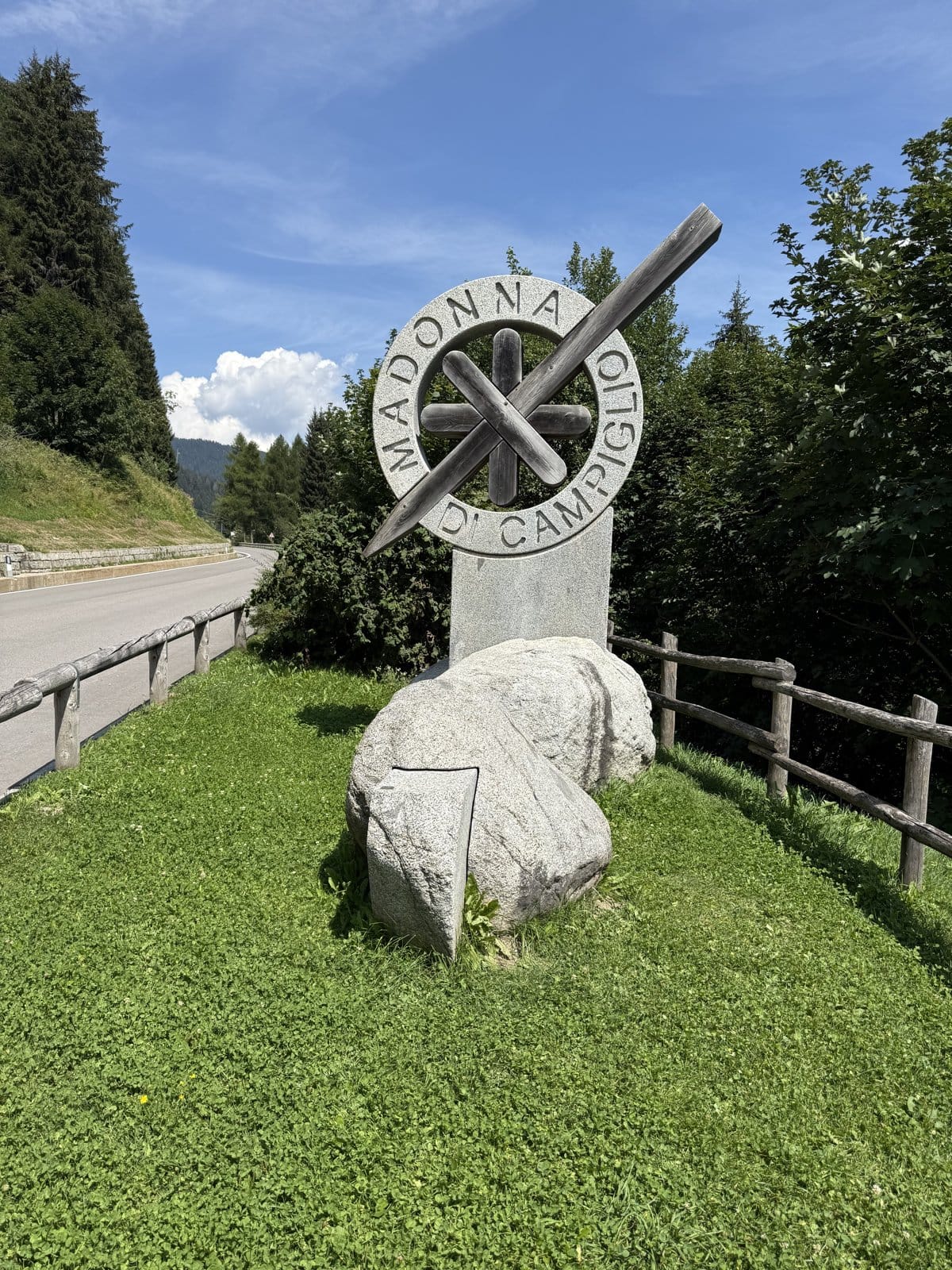
The ride from Madonna di Campiglio back to Munich was the final leg of the trip.
The ride back to Munich was full of small campers and many Porsches, from the 997.1 to a 996.2 identical to mine. I still got lost trying to return the bike.
What the Route Taught Me About Security
Security Programs See the Clouds Too
Security leaders see clouds constantly. A vendor has no current assessment. A patch is overdue. A department adopts an AI tool before anyone reviews it. An audit date is approaching. Each warning is visible, and each fix costs a few minutes compared with what follows if the weather arrives.
Leaders, myself included, make the same trade I made on that climb. Nothing has gone wrong yet, the schedule is full, and the cost of acting feels larger than the cost of waiting. Many of these decisions rest with one person, as mine did on the mountain, and nobody else is positioned to catch them.
Degraded conditions also change how people grant access. At the border, my fingers were too cold to pull one card from my wallet, so I handed over all of it. Organizations do the same during an incident. When conditions worsen, the precise action gets harder, and people hand over broad access because narrowing it takes capacity they no longer have. Least privilege has to be set before the weather arrives.
Getting Lost Is a Risk You Can Name and Still Misjudge
I knew getting lost was coming, and I accepted it as part of the trip. What I got wrong was the size of it: how many times, and how deep. Most risk registers carry the same flaw. The risk is listed, and the likelihood and impact are underestimated. A plan describes the terrain you expect. When the terrain differs, the plan gives no warning, and a confident answer fills the gap. My AI told me I had hours, and I ordered lunch. I had less time than it said, and the bill was $250 and a room at the top of the Stelvio Pass that I never used.
A confident answer works as permission to stop checking. I relaxed because the answer told me I could. The apology changed nothing about who paid. An AI tool can express regret, and it cannot reimburse a loss. Accountability stays with the person who relied on the answer, and in an organization, with the leader who approved the tool. Governance programs face this with every AI tool that answers without evidence. Treat the answer as a lead until something verifiable stands behind it: the timetable, the log, the record.
When Conditions Change
When conditions do change, the approach that worked for me on the pass applies. An outage begins at 2 a.m. A regulator asks for proof of a control. A breach notice arrives before anyone has a full picture. Slow the decisions down, keep moving toward lower ground, and rely on the layers you built beforehand.
The programs that hold act on early warnings while the cost is small, and they build layers so that one skipped step is not decisive. Controls that adjust to degraded conditions, like a Rain mode, are worth having. They work best as a second layer behind the first.
In healthcare, the stakes are patients. When systems fail or data is exposed, patients bear the cost of whatever was left undone beforehand.
Act When You See the Clouds
The warning arrives before the weather. Acting on it takes a few minutes. When no warning arrives, check the answer before you ride on it.